How to Get Started with Your Trezor Hardware Wallet
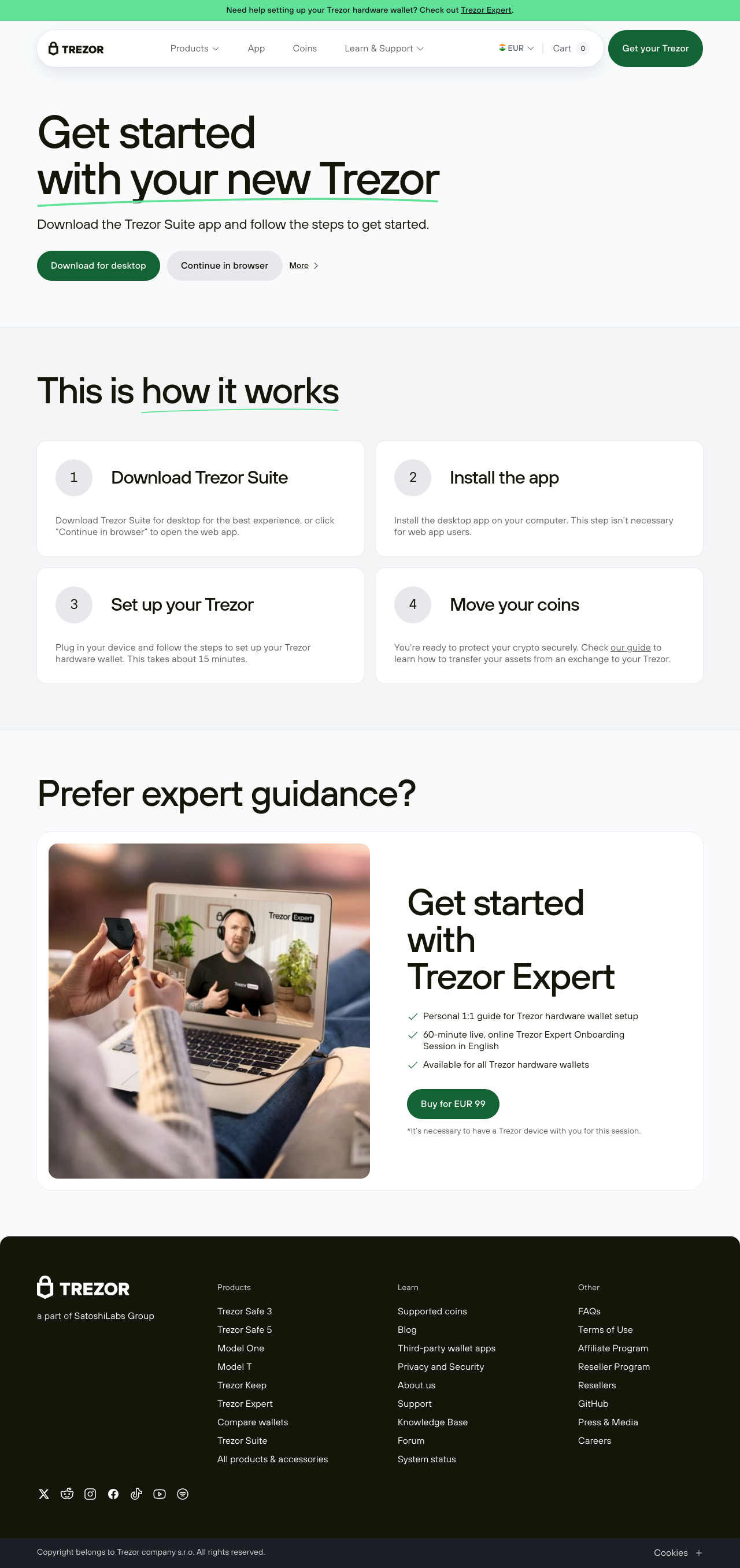
If you’ve just purchased a Trezor device, the first step is to set it up securely and correctly. This guide walks you through everything you need to know — from unboxing to your first transaction — in a way that’s clear and easy to follow.
What Is a Trezor Hardware Wallet?
A Trezor hardware wallet is a secure device that stores your cryptocurrency offline. Unlike software wallets that stay connected to the internet, Trezor keeps your private keys offline, which makes it much harder for hackers to access them.
There are two main models commonly in use:
- Trezor Model One — Affordable and reliable
- Trezor Model T — Touchscreen and broader currency support
Both devices help keep your crypto secure by isolating your private keys from your computer or phone.
Why Use a Hardware Wallet Like Trezor?
Hardware wallets like Trezor are considered one of the safest ways to store cryptocurrencies. They protect against:
- Malware and keyloggers
- Phishing attacks
- Computer‑based breaches
- Accidental key exposure
With Trezor, your private keys never leave the device — even when signing transactions.
Step‑by‑Step Setup: How to Start with Your Trezor
Follow these steps to securely initialize your Trezor device.
1. Unbox and Inspect Your Trezor
When your Trezor arrives:
- Check the security seals
- Ensure there’s no physical tampering
- Keep the packaging in case of future support needs
Physical security is important — a compromised device could be unsafe to use.
2. Go to the Official Setup Page
To start, visit the official Trezor setup page:
👉 https://trezor.io/start
This is the official and safe setup guide provided by Trezor. Always make sure you’re on the correct URL before continuing.
Installing the Trezor Bridge or App
Trezor communicates with your computer or mobile device through the Trezor Bridge or the Trezor Suite app.
- Trezor Bridge — Browser integration for older setups
- Trezor Suite — Full application you can download
To install:
- Follow the prompts on the setup page
- Download the correct version for your operating system
- Connect your Trezor device
Initialize Your Device
Once connected:
- Choose to create a new wallet
- Choose a secure PIN — do not reuse passwords from other accounts
- Write down your recovery seed phrase on the provided card
The recovery seed is the only way to recover your wallet if the device is lost or damaged.
Understanding Your Recovery Seed
Your recovery seed (usually 12, 18, or 24 words) is critically important:
- Store it offline
- Never take a photo of it
- Never upload it to cloud storage
- Keep it in a secure, private location
Anyone with access to the seed can access your funds.
Installing Trezor Suite (Optional but Recommended)
The Trezor Suite desktop application provides an easy interface for:
- Viewing balances
- Sending & receiving transactions
- Managing supported cryptocurrencies
Download it from the official Trezor site and follow the install prompts.
Adding Cryptocurrencies to Your Wallet
After setup, you can add support for various coins:
- Open Trezor Suite
- Select the coin you want to manage
- Generate a receive address
- Transfer funds from an exchange or another wallet
Trezor supports many major coins including Bitcoin, Ethereum, Litecoin, and more.
Sending and Receiving Crypto
To receive crypto:
- Open the coin in Trezor Suite
- Click “Receive”
- Use the address shown — verify it on your hardware device screen
To send crypto:
- Open the coin in Trezor Suite
- Click “Send”
- Enter the recipient address and amount
- Confirm the transaction on your Trezor device
Security Best Practices
To keep your crypto safe:
- Never share your PIN or recovery seed
- Avoid entering your seed into any computer or phone
- Keep firmware updated
- Buy hardware wallets only from official sources
Tips for Writing Your Own SEO‑Friendly Crypto Guide
If you’re creating content like this for your own site and want it to be search‑engine friendly without stuffing keywords unnaturally, follow these best practices:
Use Natural Headings
Headings help structure the content. Example:
- What Is a Trezor Hardware Wallet?
- How to Set Up Your Trezor
- Sending and Receiving Crypto
Search engines use these headings to understand content structure.
Focus on Quality, Not Quantity
Instead of duplicating keywords like “trezor setup” over and over, write useful information users are actually searching for — e.g.:
- “How to set up your Trezor”
- “Trezor wallet security tips”
- “Trezor Suite guide”
Synonyms and related phrases improve relevance without sounding spammy.
Link to Official Resources
Always link to authoritative sites where appropriate. For example:
- Official Trezor setup: https://trezor.io/start
- Trezor support and documentation
Make sure links are clearly marked so readers know they’re going to trusted sources.